I have recently been researching open-source Kubernetes management platforms. The requirement is to manage hundreds of clusters on an intranet. The functional positioning is to assist operations and provide capabilities to the application layer, rather than serving end users directly.
1. Kubernetes Dashboard
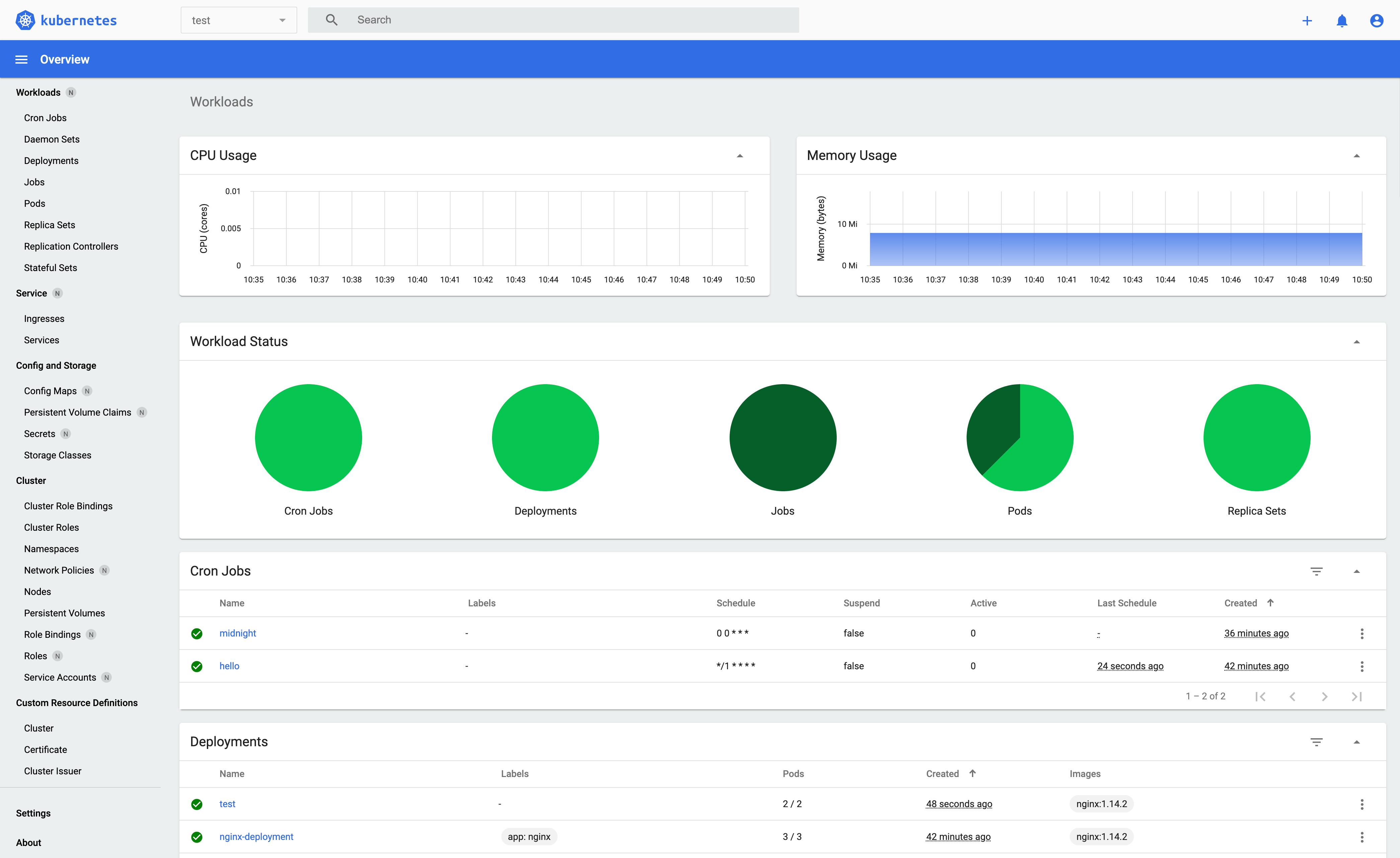
Project address:
https://github.com/kubernetes/dashboard
Tech stack: Angular + Go
Keywords:
- Single cluster
- K8s resource management
2. Kuboard
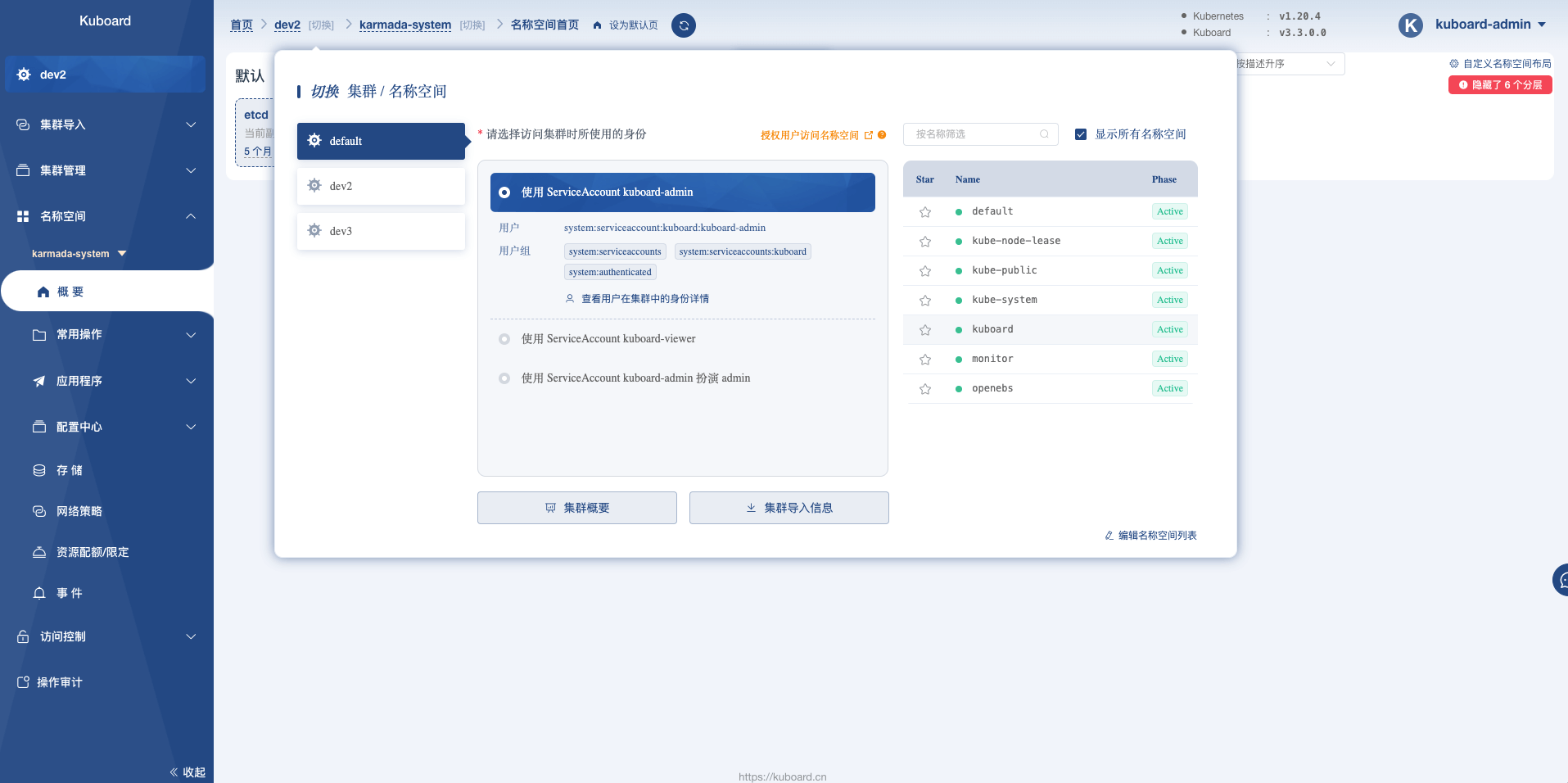
Project address:
https://github.com/eip-work/kuboard-press
Tech stack: Vue
Keywords:
- Multi-cluster
- K8s resource management
3. Wayne
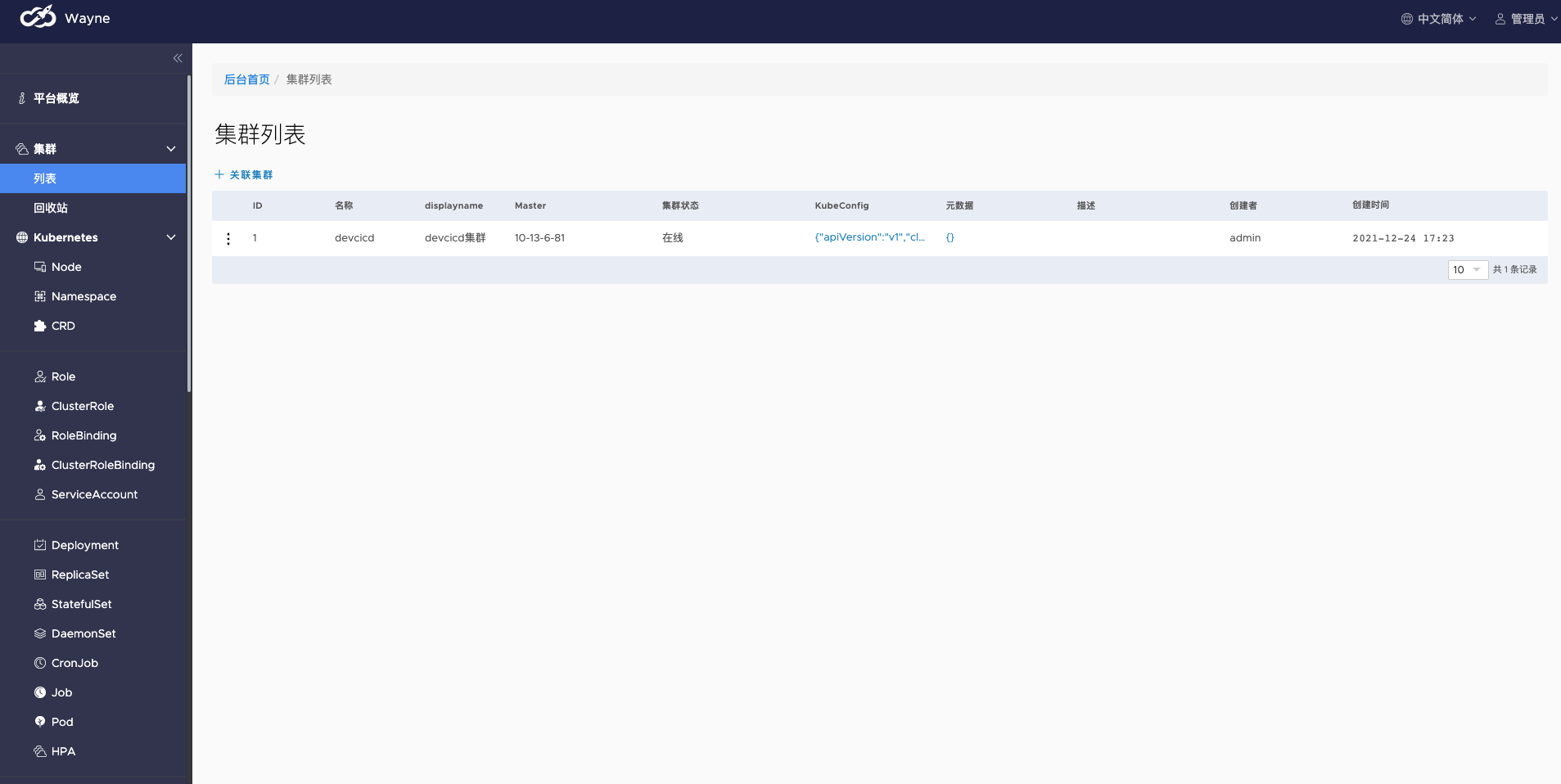
Project address:
https://github.com/Qihoo360/wayne (has not been updated for a while)
Keywords:
- Multi-cluster
- K8s resource management
- Auditing
4. Kubevious
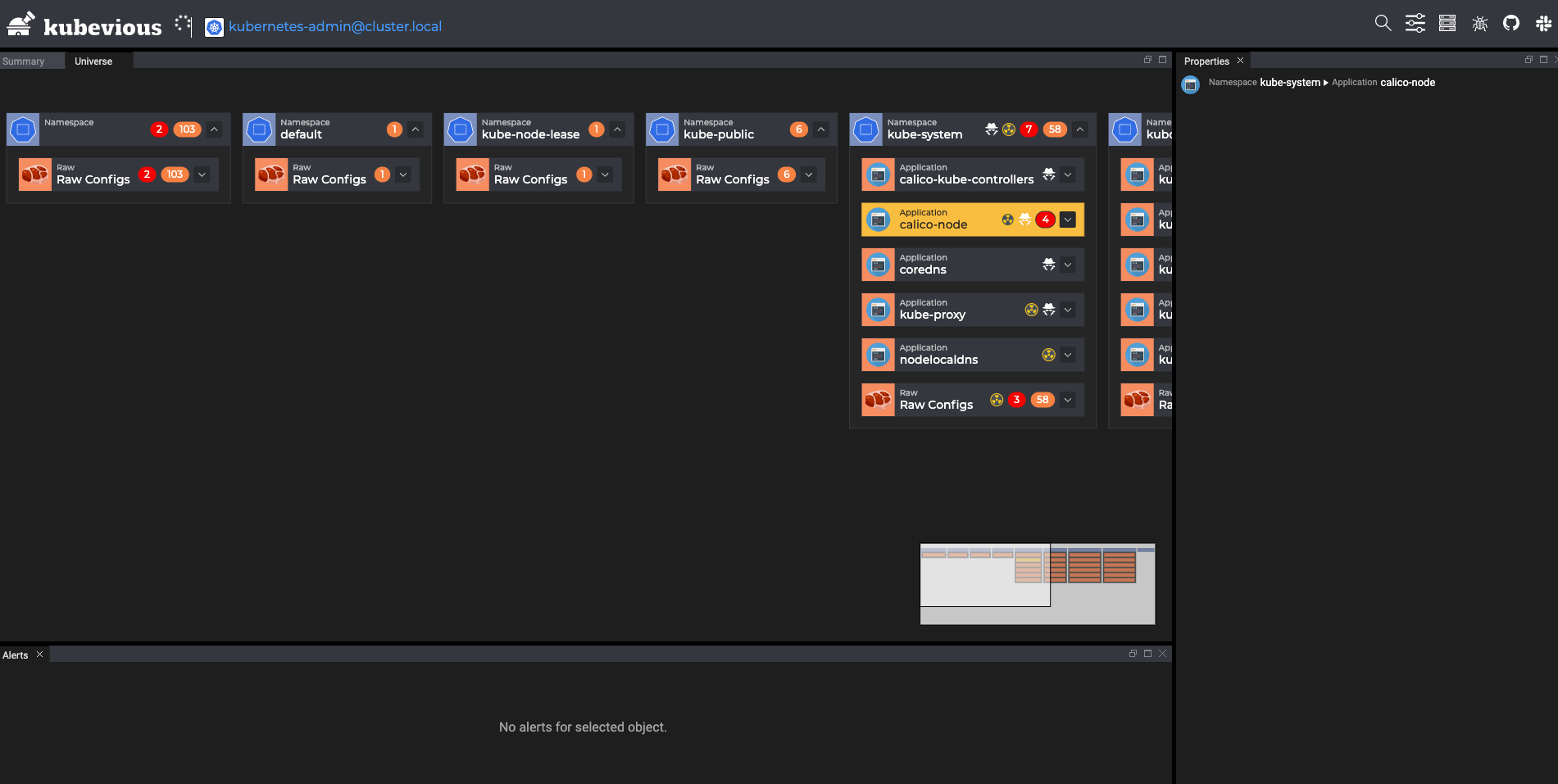
Project address:
https://github.com/kubevious/ui
https://github.com/kubevious/backend
Tech stack: React
Keywords:
- Multi-cluster
- K8s resource management
- Full resource search
- Resource rollback
5. KubeSphere
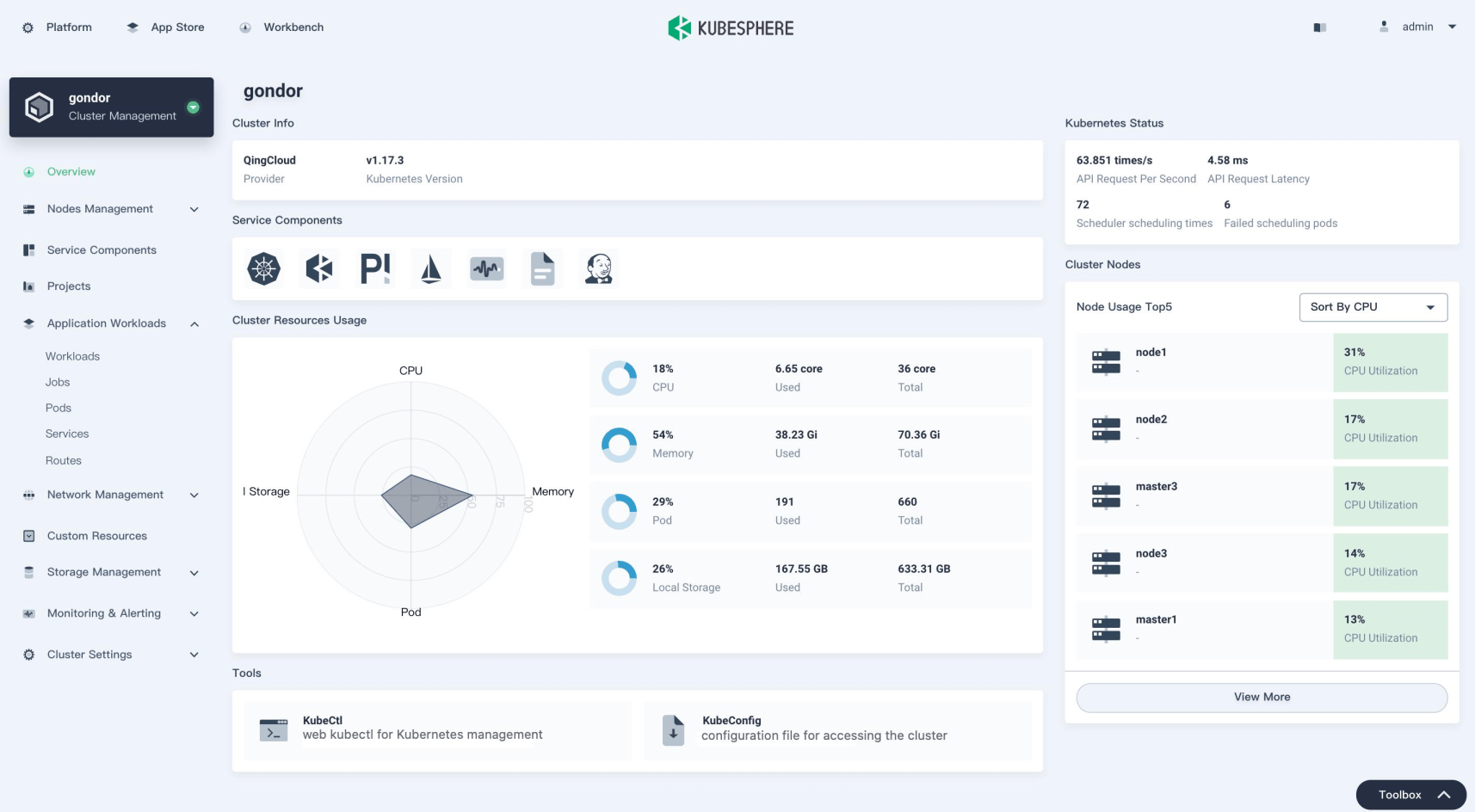
Project address:
https://github.com/kubesphere/kubesphere
Tech stack: React + Go
Keywords:
- Multi-cluster
- K8s resource management
- CLI installation and upgrade
- KubeSphere Mini intrusion
- App store
6. Rancher
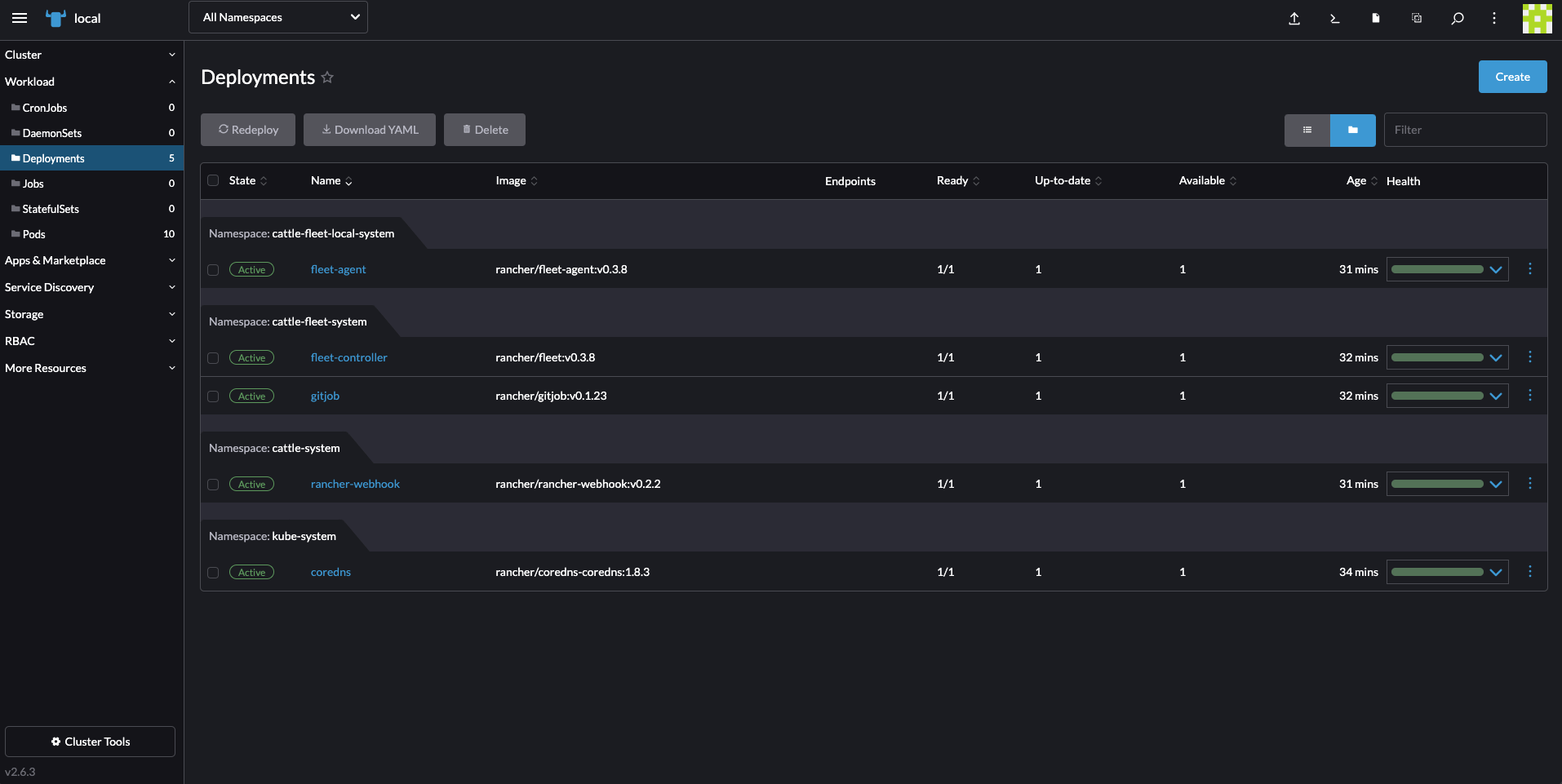
Project address:
https://github.com/rancher/rancher
https://github.com/rancher/dashboard
Tech stack: Vue + Go
Keywords:
- Multi-cluster
- K8s resource management
- Web-based installation and upgrade of K8s
- Agent intrusion
- Namespace intrusion
- App store
7. KubeOperator
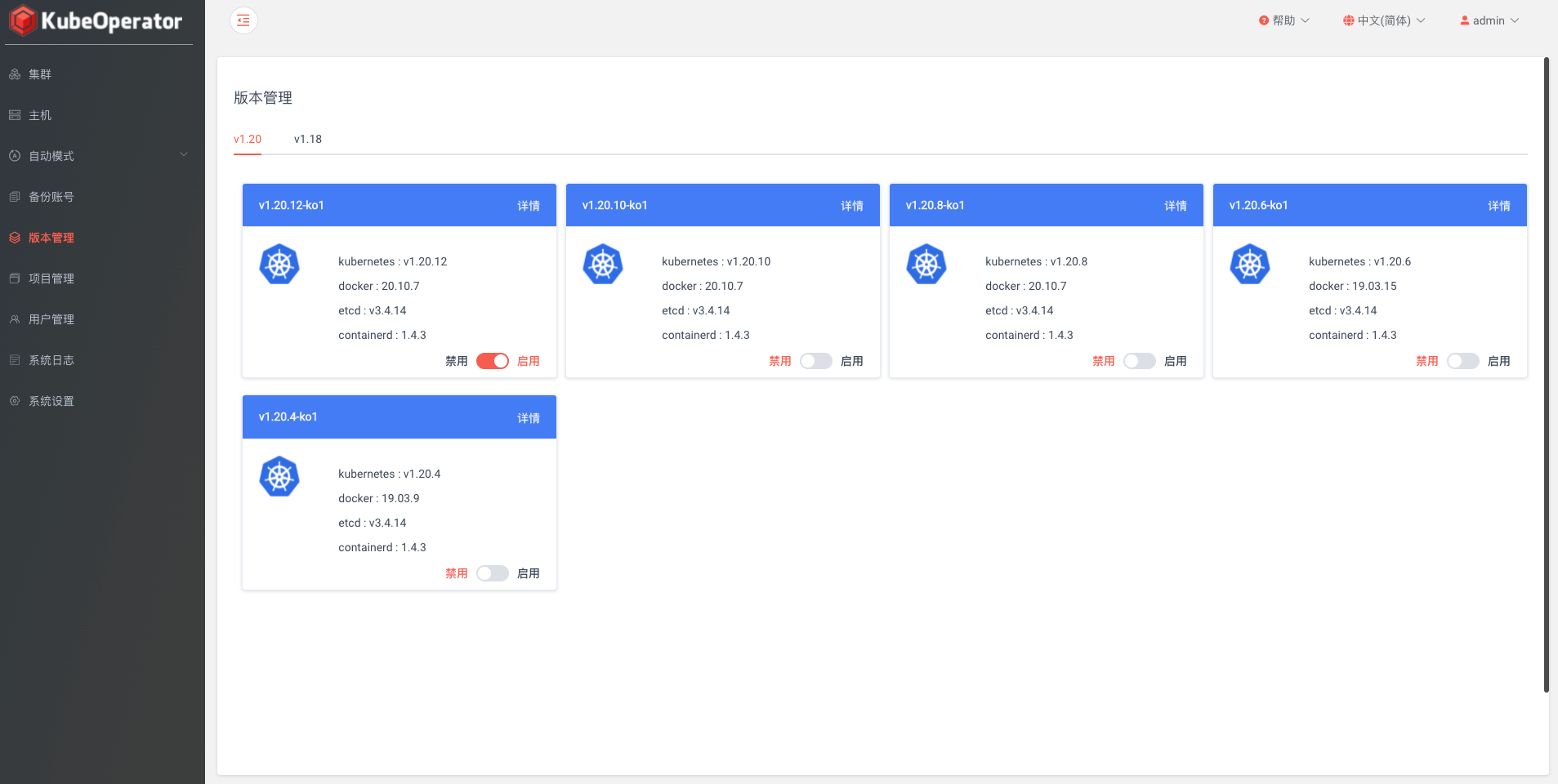
Project address:
https://github.com/KubeOperator/neeko
https://github.com/KubeOperator/KubeOperator
https://github.com/KubeOperator/KubePi
Tech stack: Vue + Go
Keywords:
- Multi-cluster
- K8s resource management
- Web-based installation and upgrade of K8s
8. Summary
The Dashboards on the market are much the same, and all of them can view and edit basic K8s resources. Different Dashboards have different emphases.
Kubernetes Dashboard can only manage the current cluster, which is simple but has long-term support from the official Kubernetes community. If you only need to view and edit resources, it is highly recommended.
On top of K8s resource management, Kuboard and Wayne add support for multiple clusters.
Kubevious takes a different path and offers many distinctive features, such as resource rollback, misconfiguration detection, and cluster resource search.
KubeSphere and Rancher are both run by commercial companies, and to increase stickiness they are inevitably somewhat intrusive. KubeSphere requires sub-clusters to install a minimized KubeSphere, while Rancher requires installing an Agent. KubeSphere targets the full development scenario, while Rancher targets cluster operations management.
KubeOperator has stripped K8s resource management out into a sub-project, KubePi, and focuses on the operations of K8s clusters themselves. In addition, both KubeOperator and Rancher integrate with cloud vendors’ IaaS APIs so that hosts can be requested directly.
